Mycelium 5.0
Environmental intelligence for the campus of tomorrow
Environmental intelligence for the campus of tomorrow
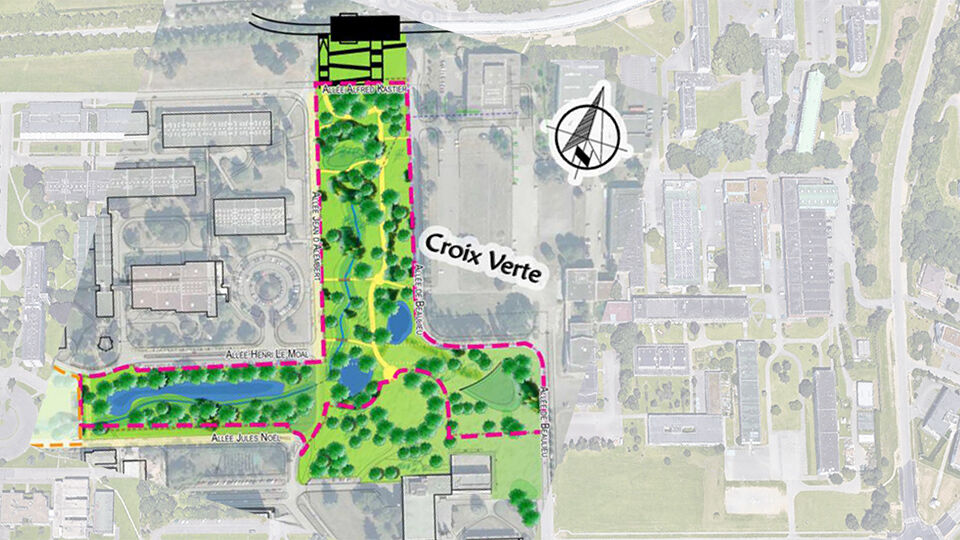
The Mycelium project aims to monitor and analyze the renaturation of the Croix Verte area on the Beaulieu campus in Rennes—an ecosystem disrupted by recent urbanization following the construction of the Beaulieu–Université metro station. To address this environmental challenge, the project implements an observation system based on the Internet of Things (IoT), consisting of a sensor network collecting ecological and meteorological data. This data is first processed locally on a Raspberry Pi cluster using Edge/Fog Computing, then sent to a remote server (VPS) for deeper analysis and long-term trend monitoring. As part of the CNRS Terra Forma program, Mycelium serves as both an environmental monitoring tool and a technological experimentation platform for testing digital solutions applied to ecological issues.
Hippolyte CATTEAU-VERNIERS
Thi Phuong Trinh HUYNH
Enzo PLEYNET
Jean VEILLEROT
Evan GENDROT
Tho Huy HOANG

Nikolaos PARLAVANTZAS

Ammar KAZEMM

Julien MOUREAU
-800w.png)
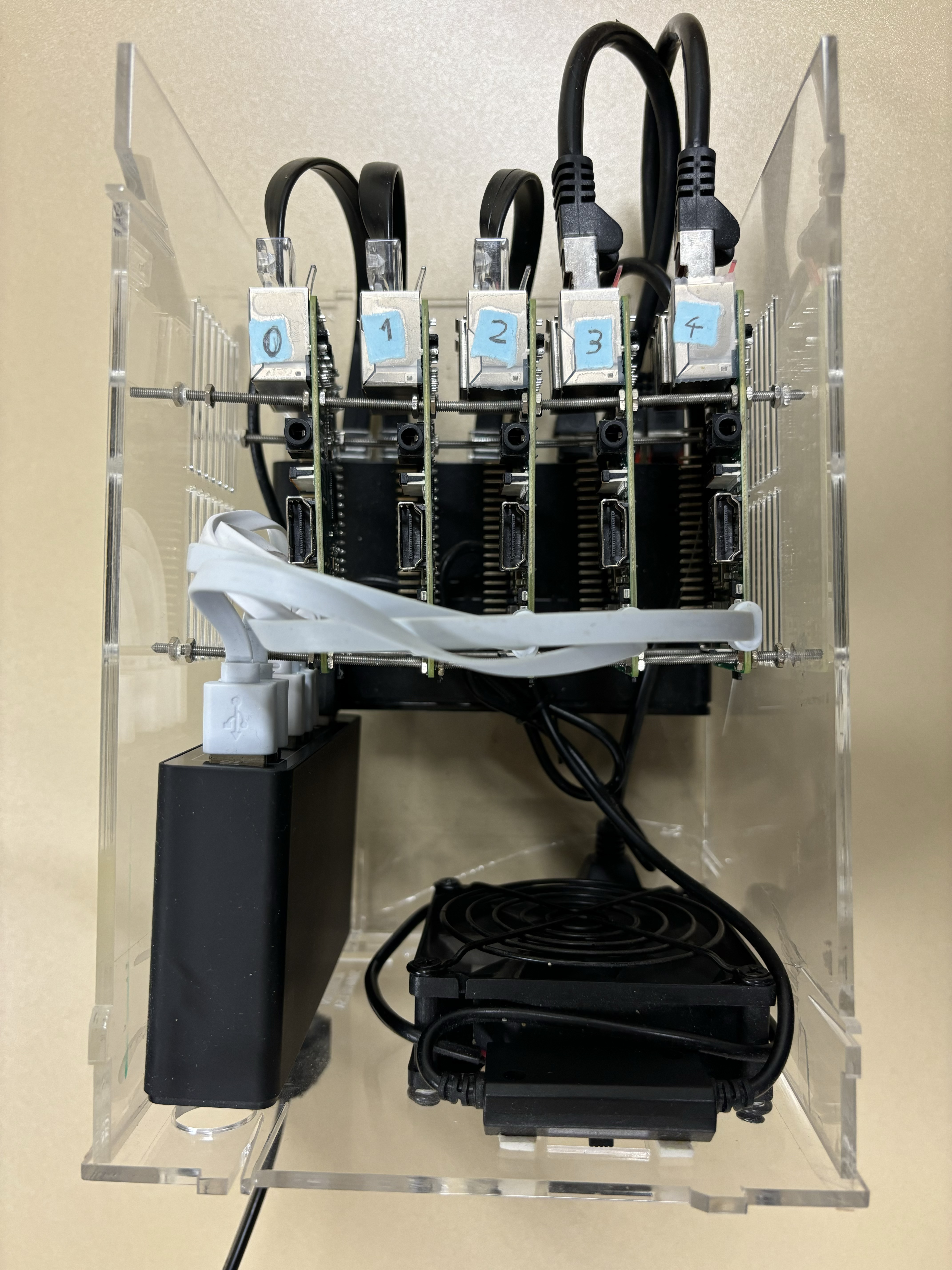
Our infrastructure includes sensors, a LoRaWAN gateway, and a cluster of five Raspberry Pi nodes.
Located at Croix-Verte, the sensors operate continuously to collect environmental data. This data is sent to the gateway via the LoRaWAN protocol at a predefined frequency.
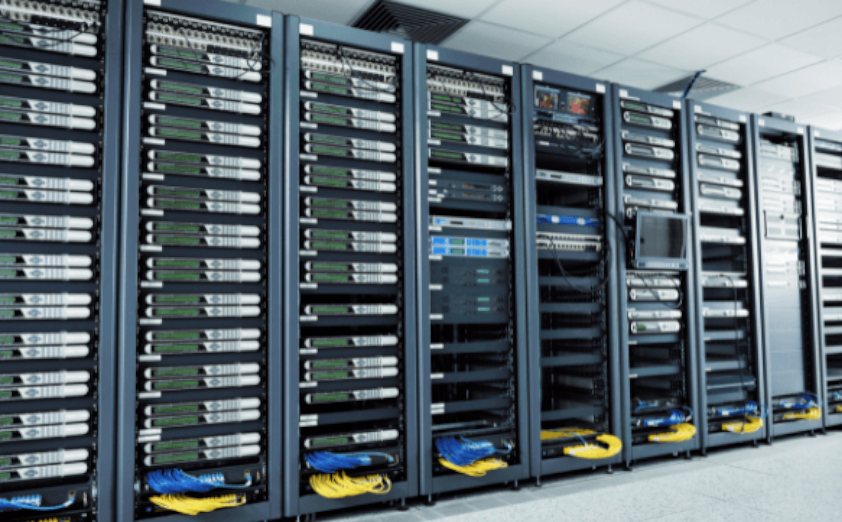
Both the gateway and the cluster are installed in the computer science building at INSA Rennes.
Data collected by the gateway is transmitted to the cluster via an Ethernet connection.
The cluster handles data processing.
For resource-intensive tasks, a VPS server takes over. When the cluster load becomes too high, it offloads specific tasks to the VPS.
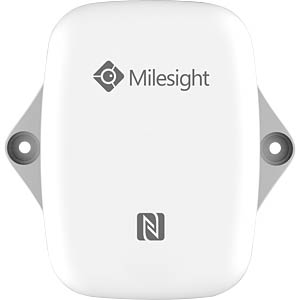
A device that measures environmental parameters such as temperature, humidity, etc.
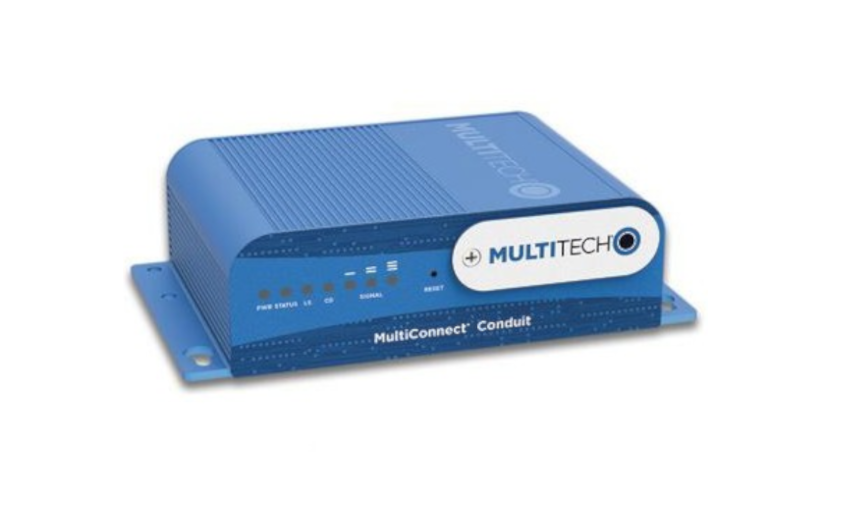
A device that transmits sensor data to the Raspberry Pi cluster via an Ethernet connection.
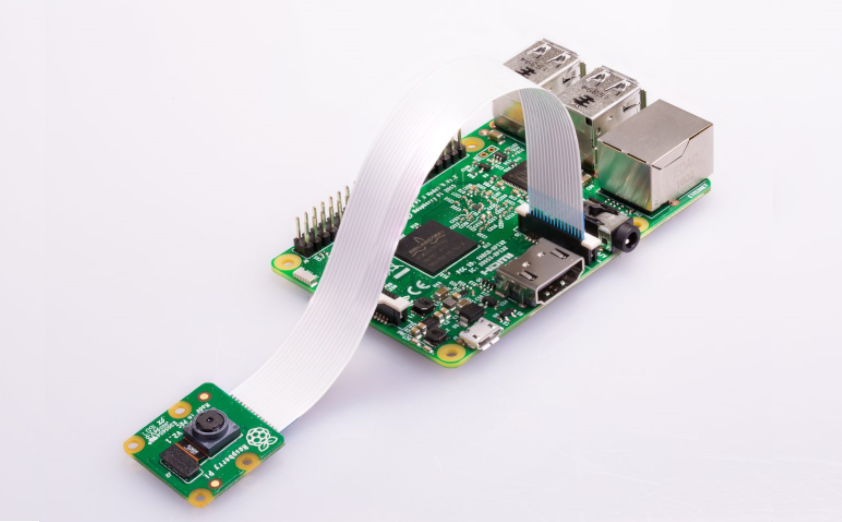
A mini-computer used for processing data collected by the sensors.
The flooding scenario aims to detect and anticipate flood risks using real-time hydrometeorological data. With the intensification of extreme weather events, it is essential to have systems providing fast, reliable, and adaptive forecasts.
Within Mycelium 5.0, this scenario relies on an innovative approach combining hydrological modeling and AI. The SMASH model, used to simulate flow rates, follows a hybrid Physics-AI logic: it integrates hydrological knowledge (rainfall-runoff, watershed dynamics) while using machine learning to improve calibration and generalization.
Deployed on a distributed edge-cloud architecture, the system processes data close to the sensors, predicts real-time flows, and detects critical situations. If thresholds are exceeded, an alert is generated and sent to users.
The fire scenario aims for early detection and anticipation of fire risks through cross-analysis of video streams and environmental data. Given increasing climate risks in peri-urban areas, surveillance systems must offer instant reactivity coupled with predictive terrain analysis.
In Mycelium 5.0, this scenario combines computer vision and AI modeling. The detection module uses YOLO (You Only Look Once), a state-of-the-art AI technology for real-time object identification. This is coupled with a risk assessment model integrating critical physical parameters (temperature, relative humidity, wind speed) to calculate a danger index.
Deployed on an Edge-Cloud architecture, the system runs image analysis locally (on the Raspberry Pi cluster) to ensure minimal latency. Upon positive detection or confirmation of high risk by sensors, an alert is immediately generated for authorities or campus managers.
Powered by Grafana, a clear interface allows real-time environmental data visualization.

Architecture optimized for minimal power consumption in the field.

Predictive analysis via SMASH and real-time visual detection with YOLO.


Instant notification system to alert users during critical environmental situations.

Autonomous offloading of tasks from the cluster to the VPS based on workload.